
Gastroenterology
- Home
- Specialities
- Gastroenterology
Gastroenterology
Best Gastroenterology Hospital in Karnal
Advanced Digestive System & Liver Treatment in Karnal
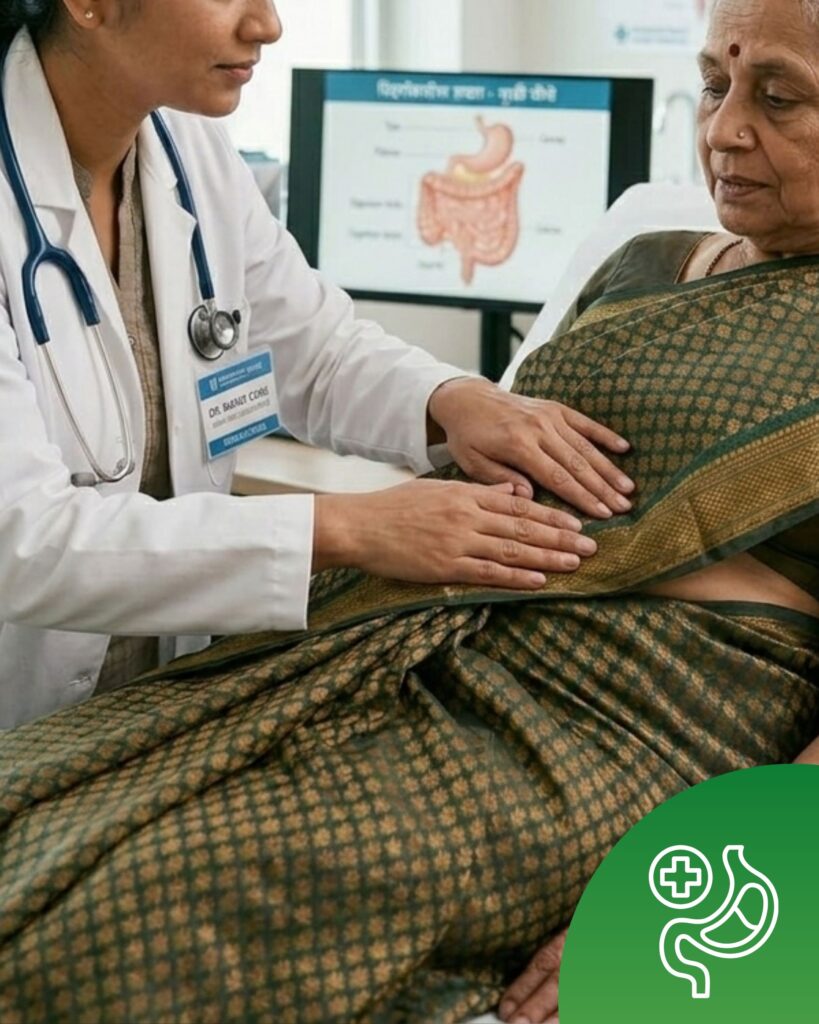
Our Gastroenterology Department specializes in diagnosing and treating disorders related to the digestive system, liver, pancreas, and intestines.
Services:
- Upper GI Endoscopy
- Colonoscopy
- ERCP
- Liver Disease Treatment
- Fatty Liver Management
- Acidity & Gastritis Treatment
- IBS Treatment
- Pancreatic Disorders Treatment
- Gastrointestinal Bleeding Management
- Constipation Treatment
- Hepatitis Management
FAQS
Helping you understand Gastroenterology
Clear answers to help you make informed healthcare decisions. Everything you need to know about our treatments, doctors, facilities, and patient care
What Is Gastroenterology?
Gastroenterology is a medical specialty focused on the prevention, diagnosis, and treatment of disorders affecting the digestive system.
What Conditions Do Gastroenterologists Treat?
Gastroenterologists manage a wide range of conditions such as acidity and acid reflux, gastritis, irritable bowel syndrome (IBS), inflammatory bowel disease (IBD), liver disorders, gallstones, pancreatitis, gastrointestinal infections, and colorectal conditions.
What Symptoms Indicate the Need to See a Gastroenterologist?
You should consult a gastroenterologist if you experience persistent abdominal pain, bloating, chronic acidity, heartburn, difficulty swallowing, constipation or diarrhea, blood in stools, unexplained weight loss, jaundice, or ongoing digestive discomfort.
What Diagnostic Tests Are Commonly Performed by Gastroenterologists?
Common diagnostic tests include endoscopy, colonoscopy, ultrasound, CT scans, liver function tests, stool tests, and other advanced imaging or laboratory investigations to accurately identify digestive system disorders.
What Is the Role of Endoscopy in Gastroenterology?
Endoscopy plays a crucial role in diagnosing and treating gastrointestinal conditions. It allows doctors to directly view the digestive tract, take biopsies, and perform therapeutic procedures such as removing polyps or controlling bleeding with minimal invasiveness.